Home is Better with Wet Noses Dog Paw Embroidery Review
A First Look at the Design
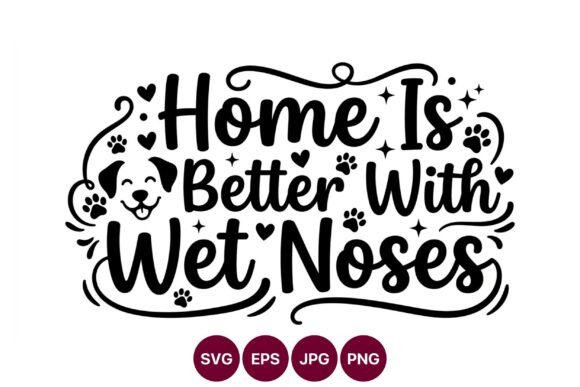
When I first saw Home is Better with Wet Noses Dog Paw, it immediately felt like a warm hug for any pet lover. The black and white hand lettering, paired with a dog face, paw prints, hearts, and stars, creates a cozy, homey vibe that's perfect for personal or commercial embroidery projects. The high-contrast artwork stands out, making it easy to visualize how it would look stitched on fabric.
The layout feels balanced and intentional. The dog face adds a friendly touch, while the paw prints and stars create visual rhythm. It’s not overly busy, which is great for embroidery designs that need to be clear and legible after stitching.
How It Performs in Real Projects
I imagine this design working beautifully on a range of items, from custom apparel like sweatshirts and t-shirts to handmade products such as tote bags, pillow covers, and even baby clothes. The clean lines and bold shapes make it ideal for embroidered patches or applique designs that stand out without overwhelming the fabric.
For holiday gifts or personalized products, this design could easily become a customer favorite. It has that classic, timeless feel that works well for both small shop products and Etsy listings. The phrase itself is relatable and heartfelt, which makes it a strong contender for handmade gifts or nursery decor.
If you're an apparel decorator or craft business owner, this design could be used on caps, aprons, or even embroidered towels for a boutique line. The versatility is one of its strongest points—this isn’t just a one-trick pony.
Where to Use with Caution
While Home is Better with Wet Noses Dog Paw is a solid choice for many applications, there are some scenarios where extra care should be taken. For example, using it on small hoop sizes might challenge the detail of the dog face and smaller elements like stars. Testing it on scrap fabric first is always a good idea, especially if you plan to use it on thin fabric or textured materials.
Stretchy fabrics or curved surfaces like caps can also pose challenges, so considering the stabilizer type and hoop size is essential. Additionally, if you're planning to use it on dark fabric, double-check the thread colors to ensure the contrast remains strong and visible.
Also, keep in mind that dense stitch areas may require adjustments in stitch density to avoid puckering or distortion. This is especially important if you're aiming for a professional finish on commercial embroidery or finished products meant for resale.
Design Notes for Embroidery Professionals
Before committing to using Home is Better with Wet Noses Dog Paw in your next project, take the time to test it on scrap fabric. Check how the stitch density looks and whether the thread colors match your expectations. If you're working with light or dark backgrounds, consider creating printable mockups to see how the design will appear in different contexts.
Review the digital embroidery file closely to confirm that all elements are clearly defined and that the file format (SVG, PNG, JPG, EPS) supports your needs. While the high-contrast artwork is a plus, it's still important to inspect small details and ensure they translate well when stitched.
Also, remember to check the licensing terms before selling any finished items or digital product assets based on this design. Even though it feels like a great fit for craft businesses and small shop merchandise, proper permissions are crucial for legal and ethical reasons.
Final Thoughts
Home is Better with Wet Noses Dog Paw has a lot going for it. Its emotional appeal, clean design, and versatility make it a strong candidate for a wide variety of embroidery projects. Whether you're creating personalized gifts, handmade products, or commercial embroidery for your craft business, this design has the potential to add warmth and charm to your work.
With the right preparation and attention to detail, it can be a standout piece in your collection of design assets. Just remember to test it thoroughly and consider the fabric and context before finalizing your project. This way, you’ll ensure that the end result lives up to the promise of the original design.